ROMAN COINS
A province as a woman
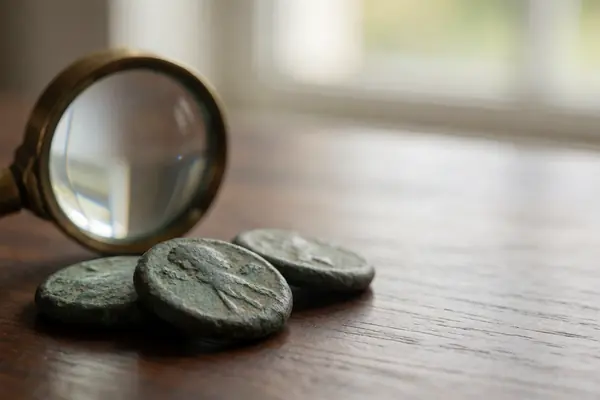
Rome showed Gallia, Dacia and Africa as women on coins. A coin struck in Rome around 119 CE, under Hadrian, shows Britannia seated on rocks with a spear.
Pick an era doodlegoddess
A FIGURE IN YOUR POCKET
She began as a Roman picture of a province.
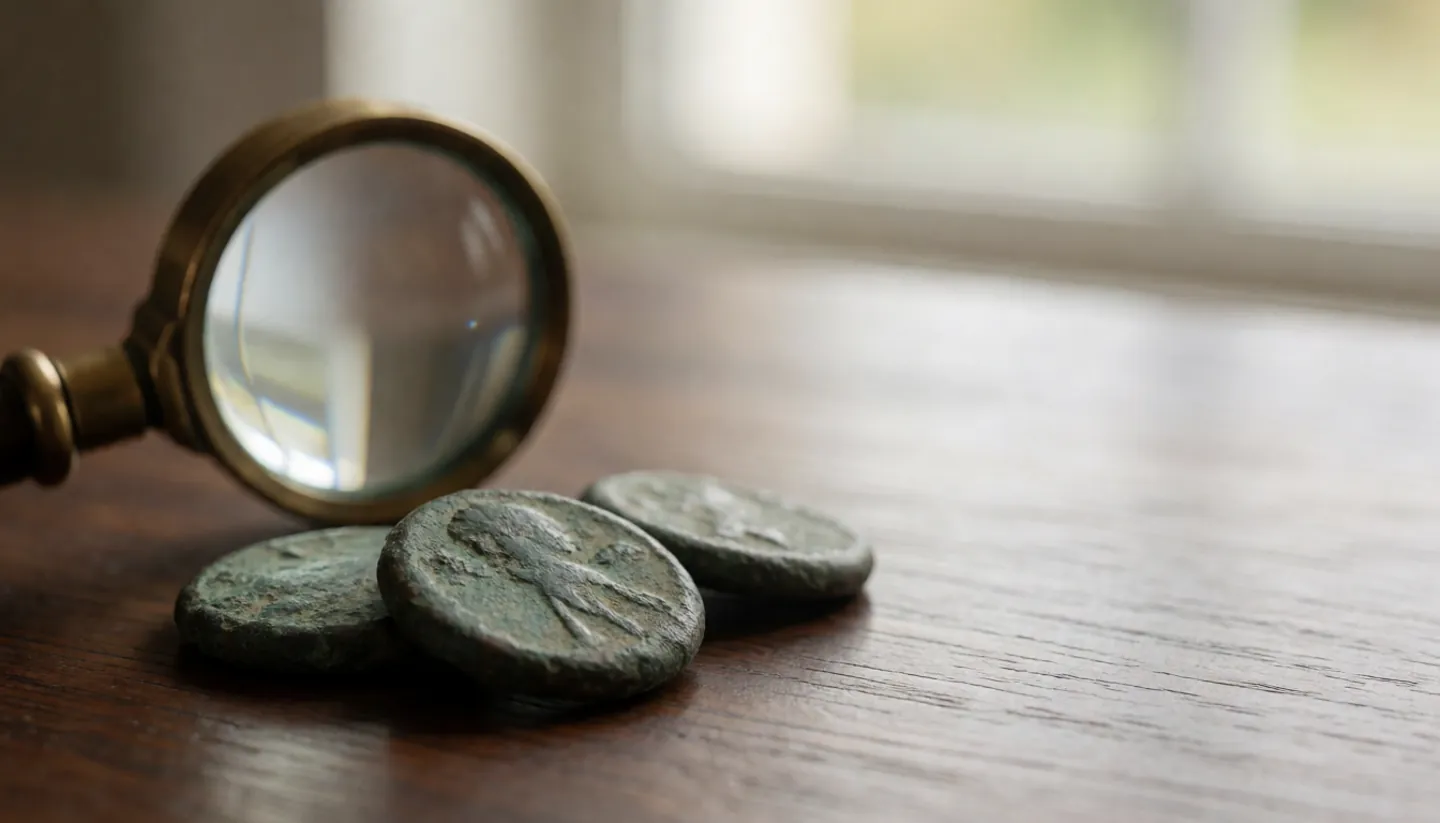
c.119 CE first on a coin
c.119 CE Britannia's first appearance on a coin
Rome showed its territories as women on coins, and Britannia was one of them. Centuries later she was revived, put on English copper coins and slowly given the trident, helmet and lion we know today.
THE SHORT ANSWER
Her look built up over centuries.
Each change says something about its time.
ROMAN COINS
Rome showed Gallia, Dacia and Africa as women on coins. A coin struck in Rome around 119 CE, under Hadrian, shows Britannia seated on rocks with a spear.
Pick an eraTHE REVIVAL
Charles II's new copper halfpennies and farthings of 1672 carried Britannia. From then on she appeared on some coins of every monarch.
See the datesTHE SEA
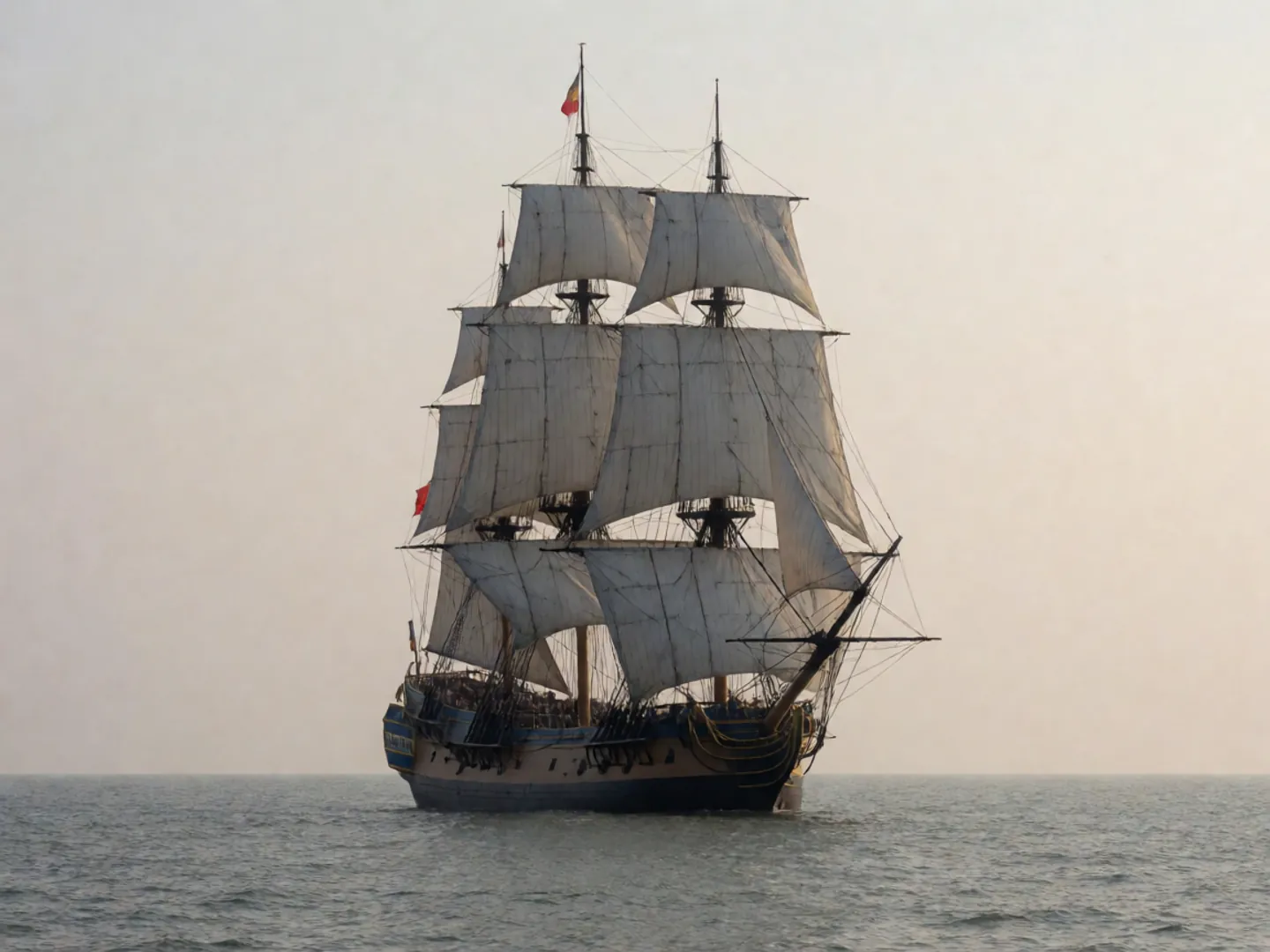
On the coins of 1797 her spear became Neptune's trident and a ship appeared behind her, a sign of pride in British sea power.
Read the storyPICK AN ERA
Choose a moment in Britannia's history to see how she was shown. The bar shows how strongly the design points to the sea.
Based on the Royal Mint Museum and the Bank of England Archive. Low means no sea at all, high means trident and ship.
FOUR THINGS TO LOOK FOR
Next time you see her on an old coin, a medal or a note, these details help date the design.
A plain spear points to the Roman coins or the earliest English designs. The trident arrives on the coins of 1797.
Britannia was bareheaded on the early English coins. Pistrucci's farthing of 1821 shows her helmeted for the first time.
A ship behind her suggests 1797 or later. The penny design from the reign of George VI added a lighthouse in the background.
The flag on her shield changes too: the 1797 coins still show the old Union flag, while Pistrucci's 1821 farthing has the new one.
TWO DATES WORTH KNOWING
One date for her first coin,
one number for a modern design.
c.119 CE
Britannia's first appearance on a coin
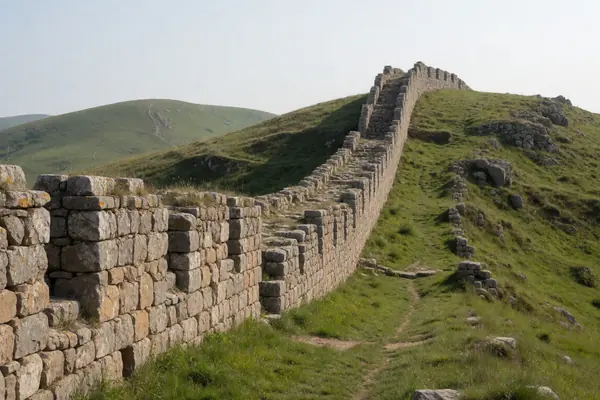
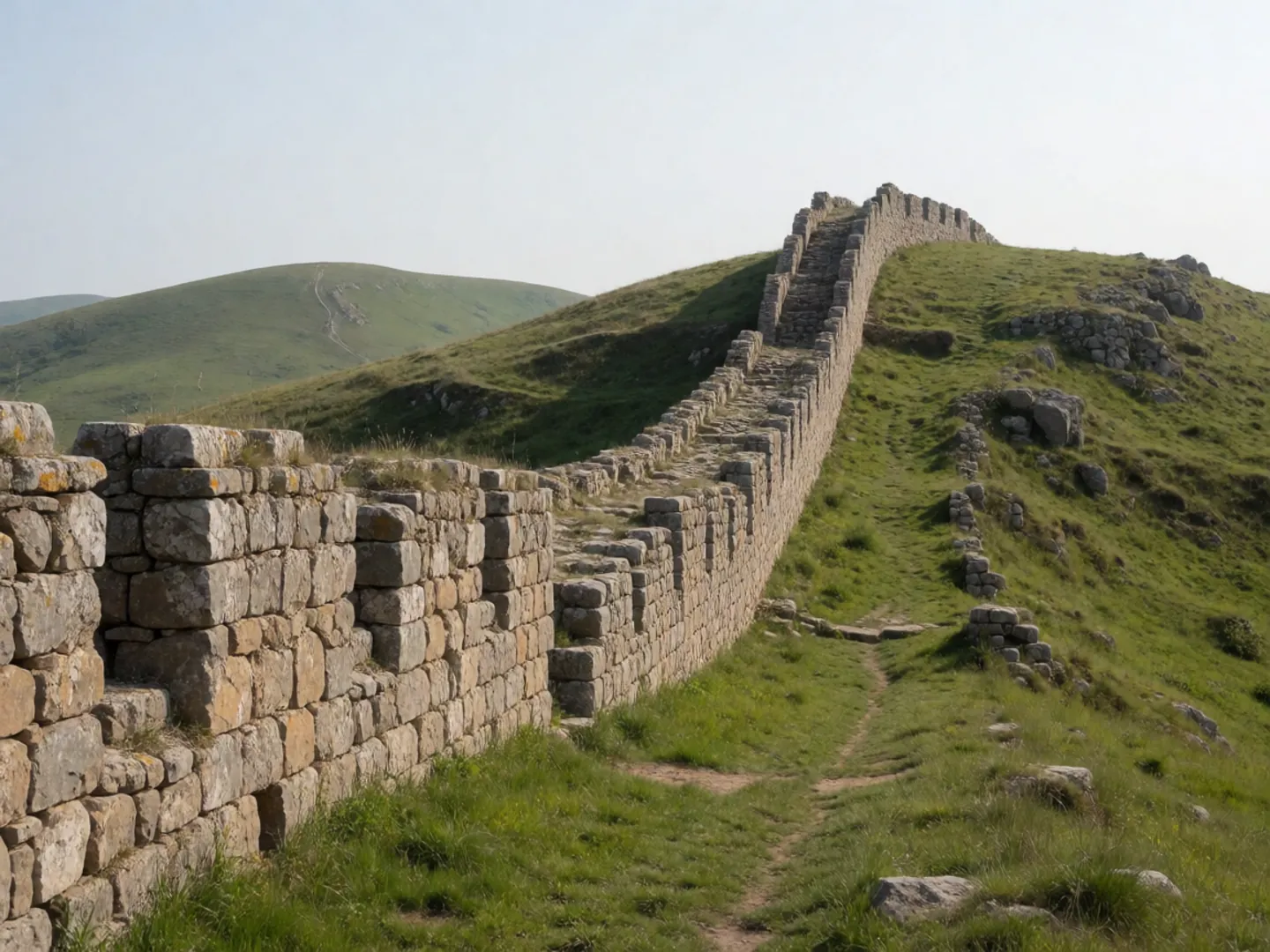
A coin struck in Rome under Emperor Hadrian, about three years before he visited Britain in 122 and his wall was begun.
FIRST COIN · ROYAL MINT MUSEUM
40 years
How long the 1968 decimal designs lasted
Christopher Ironside's reverse designs, including the seated Britannia on the 50p from 1969, stayed in use until new designs arrived in 2008.
DECIMAL DESIGNS · ROYAL MINT MUSEUM
On paper money, Daniel Maclise's Britannia vignette appeared on every Bank of England note issued between 1855 and 1956.
WHO WAS THE MODEL?
The 1672 Britannia is often said to be based on Frances Stuart, later Duchess of Richmond. In February 1667 Samuel Pepys wrote that the King's new medal showed her face, chosen "to represent Britannia by".
Later artists used real models too. George William De Saulles based his 1902 florin Britannia on a 17-year-old woman, a choice that prompted a question in the House of Commons; the design was dropped in 1911.
Questions
She began as a Roman personification, one of several provinces shown as women on coins. Over time she borrowed attributes from the classical gods, such as a sea god's trident and a classical helmet.
Pattern coins of 1665 showed her, and she became official on the copper halfpennies and farthings of 1672 under Charles II.
On the coins of 1797 her spear was turned into Neptune's trident, reflecting pride in British sea power. The sea symbols have stayed a feature of her image since.
She left the circulating coin designs in 2008, but the Ironside 50p Britannia from 1969 can still turn up in change, and she still appears on some special gold and silver coins.
Three days after its charter in July 1694, the Bank chose a seal showing Britannia sitting and looking on a bank of money, probably inspired by the halfpenny and farthing of the time.
Updated
ABOUT THIS NAME
doodlegoddess.com is part of the DoodleSale portfolio. It isn't in an auction right now, but you can ask about leasing it.